A website from me is £300 for up to four pages, with the words written for you and the domain and hosting in your name. A logo and brand is £200. The two together are £450. A site with an editing area, up to eight pages, is £750, and help after launch is an optional £20 a month. There's no VAT to add. The domain costs about £10 to £15 a year.
For comparison, when I checked 29 Surrey web designers in September 2026, 11 published a one-off website price, and the median entry price was £995. None published a logo price. The full list is in what Surrey web designers charge.
What do I get for £300?
A website of up to four pages, usually home, about, services and contact.
- The words, written by me after a chat with you. No content form and no blank page.
- A design made for phones first, because that's where most people will see it.
- A contact form, a click-to-call button and a map.
- Google set up. Your Business Profile and Search Console.
- The domain and hosting in your name, so you own it and can leave whenever you like.
- One round of changes before it goes live.
It's live two weeks after our chat, as long as I have your photos. Hosting for this kind of site is free in your own account.
It doesn't have an editing area. When you want something changed, you tell me and I do it. That's free for the first month, then covered by the optional £20 a month help. More detail on the website page.
What's in the £450 logo and website?
Everything in the £300 website, plus the logo and brand basics:
- two or three logo ideas to choose from, and two rounds of changes,
- colours and fonts that go with it,
- a one-page brand sheet,
- profile images for Instagram, Facebook and Google,
- every file format you'll need.
The logo and brand on its own is £200. Doing both together means you explain your business once and everything matches from day one.
When is the £750 site worth it?
When you'll change your prices, menu or photos every week or two and want to do it yourself. It's up to eight pages with an editing area, and I show you how to use it before I hand it over.
How do my prices compare?
| Price | Words written for you | You own it | |
|---|---|---|---|
| My website | £300 | Yes | Yes |
| My logo and website | £450 | Yes | Yes |
| Surrey designers who publish a price (29 checked) | Median entry price £995, range £250 to £1,995 | Two say it's included | Varies, so ask |
| Wix or Squarespace, annual billing | £108 to £348 a year | No, you write it | No |
Builder prices are the published UK prices I checked on 26 September 2026.
What should I watch for in a cheap quote?
- The words. Many packages expect you to write every page, which can take weeks of evenings.
- VAT. Only 5 of the 29 Surrey studios I checked said whether prices included VAT. A £995 price plus VAT is £1,194.
- Whose name the domain is in. If it's the designer's, leaving gets hard. Ask.
- Monthly minimums. Some pay-monthly plans lock you in for 12 months.
More on this in 9 red flags when hiring a web designer.
Why am I cheaper than most?
I work on my own from home in Woking, so there's no office or account manager to pay for. I'm also building up my portfolio, and I'd rather work with good people at a fair price than wait around for big jobs. The work isn't cut down to match the price. Before this I was a Lead UX Engineer at IBM, which is where I learned to build things properly.
What's the next step?
Tell me about your business and I'll reply within 24 hours. If you already have a site, I'll do a free website check and send you a short video of what I'd change. If you don't need a new one, I'll say so. You can also work out whether it's worth it in what a website should earn back.
Questions
- Is there VAT on top of your prices?
- No. The prices are what you pay. The only extra is the domain, about £10 to £15 a year, which you pay directly to the registrar so it's in your name.
- How do I pay?
- Half to start, and the other half when the site is live and you're happy with it, by bank transfer.
- Why are your prices lower than other Surrey web designers?
- I work on my own from home in Woking, with no office or team to pay for, and I'm building up my portfolio. The work isn't cut down to match the price.
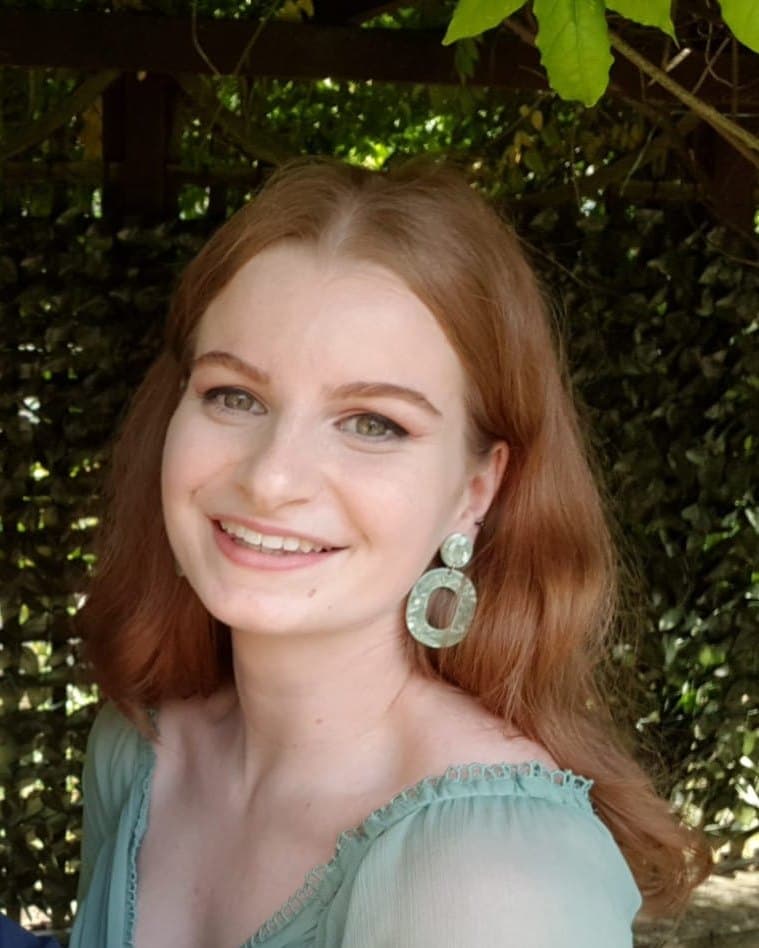
Federica helps new businesses look established, get found and get enquiries, with branding and websites, from Woking, Surrey. She studied engineering at the University of Manchester and was a Lead UX Engineer at IBM before starting Made by Federica. More about her
Liked this? Get the next one.
New posts on website costs, builders and getting found on Google, when I write them. Plain English, no spam, unsubscribe whenever.
Get in touch
Tell me about your business.
A few lines is plenty. I'll reply within 24 hours with a couple of questions or a time to chat. There's no charge for that.
If a Facebook page or a simple builder is honestly enough for you, I'll tell you.